

How to Grill Vegetables on a George Foreman Grill Without Sticking or Overcooking
Grilling vegetables on a George Foreman grill delivers quick, healthy meals with minimal oil and cleanup. Our indoor grills use dual-sided heating to cook vegetables evenly in half the time of stovetop or outdoor methods, but the compact plates and fast heat mean technique matters.
Without the right prep and timing, vegetables can steam instead of char, stick to the plates, or turn mushy. We’ve spent years refining how to get crisp edges, tender centers, and the flavor our grills are known for. This guide walks you through vegetable selection, slicing, seasoning, and exact cooking steps so you get consistent results whether you’re grilling bell peppers, zucchini, asparagus, or heartier roots.
Choose Vegetables That Match Your Grill’s Heat Profile
George Foreman grills reach high heat quickly and cook from both sides at once, which suits vegetables with moderate water content and firm texture. Bell peppers, zucchini, yellow squash, asparagus, mushrooms, and eggplant all grill beautifully because they develop char without releasing excess moisture that creates steam.
Avoid watery vegetables like tomatoes or cucumbers, which break down too fast on our plates. Dense root vegetables like potatoes and carrots work, but they need thinner slicing or partial pre-cooking to match the grill’s typical cooking times for proteins and softer vegetables. If you’re planning a mixed vegetable meal, group by density: grill soft vegetables first, then move to thicker cuts that need a few extra minutes.
Fresh vegetables always outperform frozen on our grills. Frozen vegetables carry ice crystals that melt into steam, preventing the surface contact needed for grill marks. Thaw and pat frozen vegetables completely dry if you must use them, but expect softer texture and less browning.
Slice to a Uniform Quarter-Inch Thickness for Even Cooking
Our grills cook fast—most vegetables finish in 4 to 8 minutes—so uniform thickness is critical. Slice vegetables to about ¼ inch thick: thick enough to hold structure under the top plate’s pressure, thin enough to cook through before the surface burns.
For bell peppers, cut into wide strips after removing seeds and ribs. Zucchini and yellow squash slice lengthwise into planks; rounds work but can roll. Trim asparagus ends and leave spears whole. Halve mushrooms if large; leave small ones whole. Eggplant slices should be salted and rested for 10 minutes to draw out moisture, then patted dry before grilling.
Inconsistent thickness leaves you with some pieces charred and others raw. Use a mandoline or steady knife work to keep slices even, especially if you’re prepping multiple vegetables at once.
Toss with Minimal Oil and Bold Seasonings Before Grilling
Our grills are designed to drain fat, but vegetables need a light oil coating to prevent sticking and promote browning. Toss sliced vegetables with 1 to 2 teaspoons of olive oil per two cups of vegetables—just enough to coat surfaces, not pool in the bowl.
Season generously before grilling, not after. Salt, black pepper, garlic powder, smoked paprika, Italian herbs, or cumin all work; the grill’s heat intensifies seasoning, so use more than you would for steaming. Add fresh herbs like basil or cilantro after grilling, since they burn on the plates.
Marinating works for heartier vegetables like eggplant, portobello mushrooms, or bell peppers. A 15-minute soak in balsamic vinegar, soy sauce, or lemon juice adds depth, but drain excess liquid before grilling to avoid steam. Pat marinated vegetables with a paper towel if they’re visibly wet.

Preheat Fully and Grill in Single Layers for Proper Contact
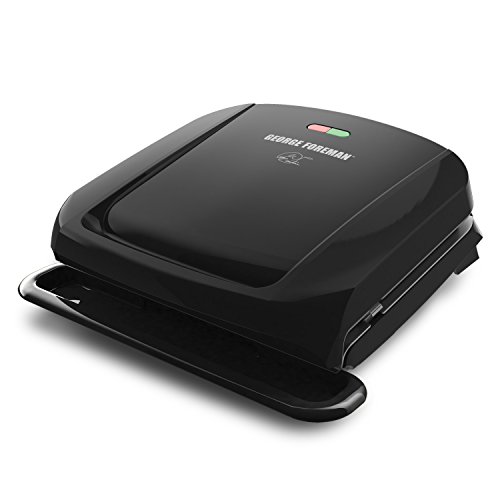
Preheat your George Foreman grill for 5 minutes with the lid closed before adding vegetables. The indicator light on most models with removable plates signals when the grill is ready; if yours lacks a light, 5 minutes is the safe baseline for reaching full temperature.
Arrange vegetables in a single layer with no overlap. The top plate needs direct contact with each piece to create grill marks and char. Overlapping vegetables steam instead of grill, leaving you with limp, pale results. Work in batches if necessary rather than crowding the plates.
Close the lid gently—let the floating hinge rest on the vegetables without pressing down hard. The grill’s design applies even pressure automatically; forcing the lid can crush softer vegetables like mushrooms or thin zucchini. Most vegetables finish in 4 to 6 minutes; denser cuts like thick eggplant or partially cooked root vegetables may need 7 to 8 minutes. Check halfway through and rotate any pieces near the edges if your grill has hot spots.
Pair Grilled Vegetables with Proteins for Complete Meals
Grilled vegetables work as sides or layered into complete meals cooked on the same grill. Pair grilled zucchini and bell peppers with chicken breasts for fajita-style plates, or grill portobello mushrooms alongside lean beef patties for a low-carb dinner. Our sloped design drains fat from proteins without affecting vegetables if you position vegetables toward the front where fat runs away.
Many of our tested recipes combine vegetables with proteins, using sequential grilling: cook the protein first, rest it while you grill vegetables, then serve together. This approach keeps the grill at steady heat and simplifies timing.
For meal prep, grill large batches of mixed vegetables on Sunday and refrigerate in airtight containers for up to four days. Reheat gently in the microwave or chop cold grilled vegetables into salads, grain bowls, or wraps. The char flavor holds up better than steamed or roasted vegetables reheated days later.
From Prep to Plate in Under Ten Minutes
Grilling vegetables on a George Foreman grill is faster and simpler than outdoor grilling or oven roasting, but success depends on proper slicing, light oiling, full preheating, and single-layer placement. Follow the quarter-inch thickness guideline, season boldly before cooking, and resist the urge to press the lid down hard.
Our grills excel at weeknight vegetables—quick enough for a Tuesday dinner, flavorful enough for meal prep that lasts all week. Experiment with different vegetables and seasonings; once you’ve mastered the basics, you’ll find dozens of ways to use your grill beyond just burgers and chicken. The same principles that produce perfectly grilled zucchini also apply to portobellos, bell peppers, and any other firm vegetable you’d grill outdoors, now available year-round in your kitchen.
Notes
Tossing vegetables in a light coating of oil before grilling is usually enough to prevent sticking. If your grill plates are older or have visible wear, a quick spray of non-stick cooking spray on the plates before preheating adds insurance, but avoid heavy application—excess spray burns and creates residue.
Non-stick coatings on our grills are designed to release food without added spray if vegetables are properly oiled and the grill is fully preheated.
Look for visible grill marks and a slight char on the surface, with vegetables that yield to a fork but still hold shape. Soft vegetables like zucchini and bell peppers finish in 4 to 5 minutes; denser vegetables like eggplant or thick asparagus may need 6 to 8 minutes.
Open the grill halfway through cooking and check texture. If vegetables are pale with no char, close the lid and add 1 to 2 more minutes. If they’re blackening on edges but still firm, they’re likely done—carryover heat will finish softening them after you remove them from the grill.
Frozen vegetables release too much moisture during cooking, which creates steam and prevents the surface contact needed for grill marks. If you must use frozen vegetables, thaw them completely, then spread on paper towels and press dry before tossing with oil.
Even with thorough drying, frozen vegetables won’t develop the same char and texture as fresh. Save frozen vegetables for soups and stir-fries; use fresh for grilling.
Cutting vegetables too small causes them to fall apart under the top plate’s pressure or slip through gaps in the grill. Stick to ¼-inch-thick slices or planks for most vegetables; this thickness cooks quickly without sacrificing structure.
If you need faster cooking, choose naturally tender vegetables like mushrooms or thinly sliced summer squash rather than cutting everything into dice. Diced vegetables are better suited to stovetop sauté than contact grilling.
Let the grill cool for 5 minutes after cooking, then wipe plates with a damp cloth or sponge while they’re still slightly warm. Charred bits release more easily when the grill isn’t fully cold. For stuck-on residue, use a plastic spatula—never metal, which scratches the non-stick coating.
Models with removable plates can be washed in the sink with warm soapy water or placed in the dishwasher. Cleaning right after cooking prevents buildup that hardens and becomes difficult to remove later.
Yes, but position vegetables toward the front of the grill where the slope starts, so fat and juices from meat drain away rather than pooling around vegetables. Grill meat first if it needs longer cooking time, then add vegetables for the final few minutes.
Avoid placing raw meat and vegetables side by side if you plan to serve vegetables to anyone avoiding cross-contact with meat juices. Sequential grilling—meat first, then vegetables—eliminates that concern and makes timing easier.