
George Foreman Grill Drip Tray Replacement Parts
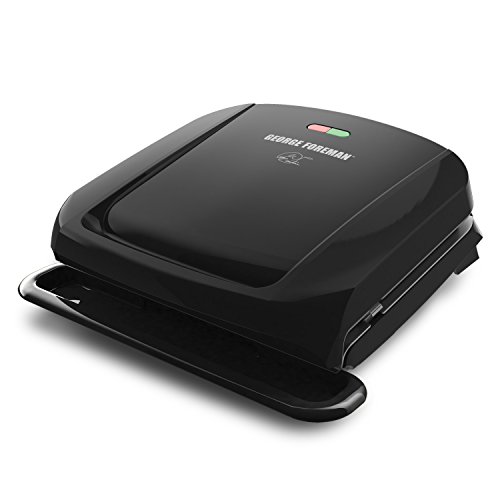
Our universal drip tray fits most George Foreman grill models manufactured after 2015, designed to catch grease and drippings during cooking. Made from dishwasher-safe polypropylene, this replacement tray slides into the front channel of your grill and features raised edges to prevent spills on your countertop.


We manufacture our george foreman grill drip tray replacement parts in two primary materials to match different grill models and user preferences. The universal polypropylene tray withstands temperatures up to 250°F, which exceeds the heat exposure at the drip tray position on standard contact grills. For users who prefer metal construction, our stainless steel Evolve trays handle direct contact up to 400°F without warping or discoloration.
Compatibility & Sizing
Our universal drip tray fits more than 30 George Foreman grill models, including the GR144 family, GRP4 series, and GRP99 lineup. To confirm fit, measure the front channel opening on your grill—it should be between 10.25 and 10.75 inches wide. The tray slides into the recessed track beneath the front edge of the cooking plates and locks in place with light downward pressure.
For Evolve grill owners, the heavy-duty stainless tray is model-specific and features alignment tabs that match the wider 12-inch channel on GRP4EMB and related models. The deeper basin on Evolve trays prevents overflow during back-to-back cooking sessions, and the added weight keeps the tray stable when you open the grill lid. If you own a removable plate grill, verify your model number against our compatibility chart before ordering, since some plate configurations require a slightly narrower tray profile.
Cleaning & Maintenance
Daily Care
After each use, allow the drip tray to cool for 3-4 minutes, then slide it out and pour accumulated grease into a disposal container. We recommend wiping the interior with a paper towel while still warm—residual heat helps lift fat before it solidifies. For stuck-on residue, soak the tray in warm soapy water for 10 minutes, then scrub with a non-abrasive sponge.
Dishwasher Guidelines
Both polypropylene and stainless steel trays are dishwasher-safe, but placement matters. Load polypropylene trays on the top rack away from the heating element to prevent warping. Stainless trays can go on either rack, though top-rack placement extends their finish life. Run a rinse cycle before the first use to remove any manufacturing oils. Regular cleaning with the same methods you use for your grill plates keeps the tray free from odor buildup and extends its functional lifespan to 2-3 years under normal use.
What’s included with your drip tray
Complete Your Grill Setup



Customer reviews


George Foreman Drip Tray Questions
Check your grill’s model number (printed on the bottom or back panel) against our compatibility list in the product description. The universal tray fits GR144, GRP4, GRP99, GRS80, and 30+ other models made after 2015. Measure your grill’s front channel opening—it should be 10.25 to 10.75 inches wide for the universal tray. For Evolve series grills, order the heavy-duty stainless tray designed for 12-inch channels.
If your model isn’t listed, contact our support team with your model number and a photo of the drip tray area. We can verify compatibility within one business day.
Yes, both polypropylene and stainless steel trays are dishwasher-safe. Place polypropylene trays on the top rack away from the heating element to prevent warping. Stainless steel trays can go on either rack, though top-rack placement preserves the brushed finish longer.
For best results, rinse the tray under hot water immediately after use to remove loose grease, then load it into the dishwasher. Avoid using abrasive dishwasher detergents on stainless steel trays, as these can dull the finish over time.
Under normal use (three to four cooking sessions per week), a drip tray lasts 18 to 24 months before showing signs of wear like cracking, permanent discoloration, or warping. If you grill daily or cook high-fat meats frequently, expect to replace the tray every 12 to 15 months.
Replace your tray immediately if you notice cracks, as these can allow grease to leak onto your countertop or grill base. Warping that prevents the tray from sitting flush in the track also signals it’s time for a new one.
The universal polypropylene tray fits most standard George Foreman grills and has a 12-ounce capacity with a 1-inch lip height. It’s lightweight, budget-friendly, and withstands temperatures up to 250°F. The Evolve heavy-duty tray is made from stainless steel, holds 18 ounces, features a 1.5-inch lip, and is rated to 400°F.
Evolve trays also include measurement markings and integrated side handles for easier removal. Choose the universal tray for everyday grilling on standard models, or upgrade to the Evolve tray if you own an Evolve grill or prefer metal construction.
No, the drip tray ships as a single unit without disposal bags or cleaning accessories. You can pour cooled grease into any heat-safe container like a metal can or glass jar. For convenience, we sell grease disposal bags separately in packs of 50.
Never pour hot grease directly into plastic trash bags, as this can melt the bag and create a fire hazard. Let grease cool to room temperature, then transfer it to a sealed container for disposal.
Generic trays rarely fit George Foreman grills correctly due to proprietary channel dimensions and alignment tab positions. An ill-fitting tray can wobble during cooking, fail to catch all the grease, or interfere with the grill’s closing mechanism.
Our official replacement trays are engineered to match your grill’s exact specifications, ensuring proper drainage angle and secure placement. The small price difference between generic and official parts is worth the guaranteed fit and warranty coverage.
For dried-on grease, soak the tray in hot water mixed with dish soap for 15 to 20 minutes. Use a non-abrasive sponge or nylon brush to scrub the interior, working in circular motions. Baking soda paste (three parts baking soda to one part water) helps lift stubborn spots without scratching the surface.
For stainless steel trays, white vinegar dissolves mineral deposits and restores shine. Avoid steel wool or harsh scouring pads, as these scratch both polypropylene and stainless surfaces. After hand-cleaning, run the tray through a dishwasher cycle for final sanitization.