
How to Clean a George Foreman Grill: Complete Step-by-Step Guide for Every Model
Keeping your George Foreman grill clean isn’t just about appearance—it’s essential for food safety, cooking performance, and extending the life of your grill. Whether you own a model with removable plates or a classic fixed-surface design, understanding the right cleaning approach makes all the difference.
We’ve designed our grills to make cleanup straightforward, but each model has specific features that work best with particular cleaning methods. This guide walks you through every step, from daily wipe-downs to deep cleaning stubborn residue, so you can maintain your grill’s non-stick surface and keep it working like new.
Identify Your Grill Type Before You Start
The first step in how to clean a George Foreman grill is knowing which type you own, because cleaning methods differ significantly between models. Our removable-plate grills offer the easiest maintenance—simply detach the cooking surfaces and wash them in your sink or dishwasher. Fixed-plate models require a different approach since the cooking surface stays attached to the heating element.
Check your grill’s manual or the model label on the bottom to confirm whether your plates are removable. If your grill has a lever or release button near the hinge, it’s likely a removable-plate design. For fixed-plate models, you’ll rely on surface cleaning techniques that avoid submerging electrical components. Knowing this distinction prevents damage and ensures you’re using the safest, most effective method for your specific grill.
Cleaning Removable Grill Plates
If your grill features removable plates, you have the simplest cleaning process available. Wait until the grill cools enough to handle safely—typically 10 to 15 minutes after cooking—then press the plate-release mechanism and lift the plates free from the base.
Most of our removable plates are dishwasher-safe on the top rack, making cleanup nearly effortless. For hand washing, use warm soapy water and a soft sponge or cloth; the non-stick coating releases food easily without harsh scrubbing. Avoid steel wool or abrasive pads, which can scratch the surface and compromise the non-stick properties. Rinse thoroughly, dry completely, and snap the plates back into place once both the plates and grill body are fully dry.
For heavily soiled plates, let them soak in warm soapy water for 10 to 20 minutes before wiping clean. This loosens baked-on residue without requiring aggressive scrubbing that could damage the coating.
Cleaning Fixed-Plate Grills
Fixed-plate grills require a bit more care since you can’t submerge the cooking surface in water. Start by unplugging the grill and allowing it to cool until it’s warm but not hot—this makes grease easier to wipe away while protecting you from burns.
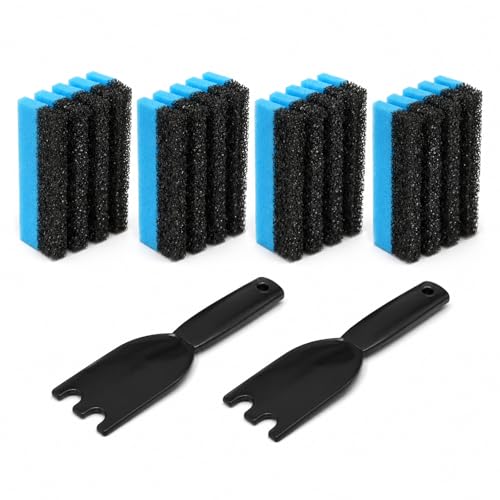
Place several damp paper towels or a damp cloth between the plates and close the lid. Let the steam work for three to five minutes to soften stuck-on food particles. Open the grill and wipe the plates with a soft, damp sponge or cloth, working from the back hinge toward the front drip tray. A few models ship with a scraper spatula designed to fit between the ridges without scratching the surface—this tool helps dislodge stubborn bits that a cloth alone might miss.
Never immerse a fixed-plate grill in water or hold it under a running tap. Moisture can reach the electrical components inside the housing and create a safety hazard. For deep cleaning, repeat the damp-towel steaming process until all residue is gone, then wipe the exterior housing with a separate damp cloth.

Managing the Drip Tray
The drip tray catches grease and juices during cooking, so it requires regular attention to prevent overflow and odor. After each use, slide the tray out from the front of the grill once it has cooled.
Most drip trays are dishwasher-safe, or you can wash them by hand in warm soapy water. If grease has hardened in the tray, a short soak loosens it quickly. Wipe the tray dry before reinserting it to avoid moisture buildup under the grill.
If your drip tray has cracked or warped from repeated use, replacing it ensures proper grease drainage and prevents spills onto your countertop. A clean, intact tray also makes it easier to monitor how much fat is being removed from your food—a key benefit of grilling on a sloped surface.

Removing Stubborn Buildup and Stains
Even with regular cleaning, some residue can accumulate over time, especially in the grooves of a ridged grill plate. For these tougher spots, a paste of baking soda and water works well without scratching the non-stick coating. Apply the paste to the affected area, let it sit for five to ten minutes, then gently scrub with a soft sponge or cloth.
Another effective method is to heat the grill slightly—just until it’s warm to the touch—before wiping. The gentle heat softens grease and carbon deposits, making them easier to lift away. Always avoid metal utensils, scouring pads, and harsh chemical cleaners, which can strip the non-stick layer and reduce your grill’s lifespan.
According to the general guidelines for non-stick surfaces, maintaining the coating through gentle cleaning extends the performance of any non-stick cookware, including grill plates. If stains persist despite these methods, it may be time to inspect the coating for wear and consider whether a replacement plate is needed.
Keep Your Grill Performing Like New
Regular cleaning protects your investment and ensures every meal tastes its best. By matching your cleaning method to your grill’s design—whether removable plates or a fixed surface—you’ll maintain the non-stick coating and prevent buildup that affects cooking performance.
Make it a habit to wipe down the plates and empty the drip tray after every use, and tackle deeper cleaning as needed with the gentle techniques we’ve outlined. With consistent care, your George Foreman grill will deliver perfectly cooked, lower-fat meals for years. If you’re new to grilling or want to explore techniques beyond cleanup, our guide to using your George Foreman grill covers everything from preheating to timing and recipe ideas.
Notes
If your grill has removable plates, most are dishwasher-safe on the top rack. Check your model’s user manual to confirm, as a few older designs recommend hand washing only.
For fixed-plate grills, never submerge the entire unit in water or place it in the dishwasher. Clean those models using the damp-towel steaming method described above.
For baked-on grease, use the damp-towel steaming technique: place damp paper towels between the plates, close the lid, and let the steam soften the residue for several minutes. Then wipe with a soft sponge.
If that doesn’t fully remove the buildup, make a paste of baking soda and water, apply it to the affected area, let it sit for ten minutes, and gently scrub with a non-abrasive sponge. Heating the grill slightly before cleaning also helps loosen stubborn grease.
If you wipe down the plates and empty the drip tray after every use, a deep clean is only necessary every few weeks or when you notice buildup in the grooves. Daily maintenance drastically reduces the need for intensive scrubbing.
For grills used heavily—multiple times per week—consider a thorough cleaning with the baking soda paste method once a month to keep the non-stick surface in top condition.
No, steel wool and abrasive scrubbers will scratch and damage the non-stick coating, reducing its effectiveness and shortening the grill’s lifespan. Always use soft sponges, cloths, or the plastic scraper tool designed for grill grooves.
Harsh chemical cleaners can also degrade the coating. Stick to dish soap, baking soda paste, or plain warm water for safe, effective cleaning.
Lingering odors usually come from grease trapped in the drip tray or around the hinge and edges of the grill plates. Make sure you’re emptying and washing the drip tray after every use, and wipe down the exterior housing and hinge area where grease can collect.
If the smell persists, run the grill empty at medium heat for a few minutes with the lid open to burn off any remaining residue, then wipe it down again once cool.
Yes, cleaning while the grill is still warm—but not hot—is actually ideal because grease is softer and easier to wipe away. Wait about ten to fifteen minutes after cooking so the surface is safe to touch, then proceed with your cleaning method.
Never clean a grill that’s still hot enough to cause burns, and always unplug it before wiping down fixed-plate models.