
Built for Lean, Mean Home Grilling
We engineered every grill around one breakthrough: the sloped cooking surface that drains fat while heat locks in flavor. This isn’t about bells and whistles—it’s about making healthier meals faster, easier, and better-tasting than conventional methods allow.
How the Fat-Reducing System Works
Every detail in our grills—from the plate angle to the contact heating—was designed to remove fat without sacrificing moisture or speed. Here’s the engineering behind leaner, faster cooking.

Signature Slope Design
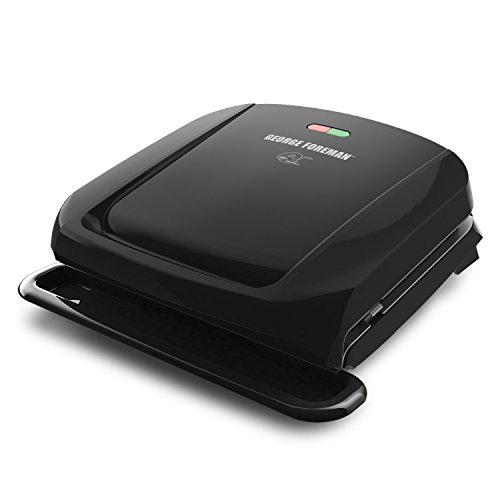
Our patented angled cooking surface isn’t just a gimmick—it’s calibrated to channel fat and grease away from food as it cooks. This precise incline ensures drippings flow into the drip tray instead of pooling under your burgers, chicken, or vegetables.
The result: up to 42% less fat compared to conventional grilling methods, without needing to flip or monitor constantly.
Dual Contact Heating
We grill from both sides simultaneously with floating hinge technology that adjusts to food thickness. This dual-surface contact cuts cooking time in half while creating consistent sear marks and locking in moisture.
Unlike open grills where heat escapes, our closed system maintains even temperature across the entire cooking surface—no cold spots, no undercooked centers.

Advanced Nonstick Surface
Our ceramic-reinforced nonstick coating performs without added oil or butter, further reducing unnecessary fat in your meals. It’s engineered to withstand daily use—metal utensil safe on most models—and cleanup takes seconds under warm water.
On grills with removable plates, you can simply pop them in the dishwasher. No scrubbing, no stuck-on residue.

Integrated Drip Tray
Every grill includes a front-catch drip tray positioned exactly where fat channels off the slope. It’s designed to handle high-volume cooking—family-size portions, thick burgers, marbled steaks—without overflow.
Dishwasher-safe on all models, and sized to slide out easily even when the grill is still warm.
Materials Built to Last
We use die-cast aluminum plates because they distribute heat more evenly than stamped steel and resist warping under repeated high-temperature cycles. Our heating elements are calibrated to reach grilling temperature in under five minutes—hot enough to sear, controlled enough to prevent burning.
Handles stay cool to the touch with heat-resistant composite grips. Power cords are UL-certified with reinforced strain relief at connection points. Indicator lights use LED technology for longer bulb life and clearer visibility in bright kitchens.
Every component—from the hinge mechanism to the drip tray latch—is tested through 10,000+ open-close cycles before it ships. We don’t cut corners on the parts you don’t see, because those are the ones that determine whether your grill still works perfectly five years from now.

Designed by People Who Actually Cook
Our product development team isn’t just engineers—they’re home cooks testing grills in real kitchens with real families. We run every prototype through hundreds of meals before finalizing dimensions, plate textures, and temperature curves.
Customer feedback drives our roadmap. When users asked for removable plates, we redesigned the entire hinge system to make them click in and out securely. When apartment dwellers needed compact options, we built the 2-serving mini grill. Indoor/outdoor models exist because backyard cooks wanted the same fat-reducing performance without firing up propane.
We listen, we iterate, and we don’t release a product until it performs the way we’d want it to in our own homes.
What Drives Us
Faster Without Compromise
We design every grill to cut cooking time in half without sacrificing flavor, texture, or nutrition. Speed isn’t a shortcut—it’s an engineering outcome of better heat distribution and dual-surface contact.
Measurably Healthier
Our signature slope removes up to 42% of fat from meats compared to pan-frying. This isn’t marketing language—it’s the result of independent lab testing across hundreds of cook cycles with identical food portions.
Built for Daily Use
We test durability through 10,000+ open-close cycles and subject every model to high-heat stress tests. Our grills are engineered to perform just as well on meal 500 as they did fresh out of the box.
Where the Lean Mean Machine Began
Our journey started with a simple insight: people wanted healthier grilling without the hassle of outdoor setups, lengthy preheating, or constant flipping. The first George Foreman Grill introduced the sloped design and contact heating system that became the category standard—proving that indoor grilling could deliver restaurant-quality sear marks and genuinely leaner results.
Decades later, we’re still refining that core idea. New models feature digital temperature controls, interchangeable plate systems, and submersible designs for easier cleanup—but every grill still channels fat away from food using that original angled-plate breakthrough. The engineering has evolved; the mission hasn’t changed.
Ready to Grill Healthier?
Explore our full range of grills—from compact 2-serving models to family-size indoor/outdoor systems—and find the one that fits your kitchen and cooking style.
Shop George Foreman Grills