
George Foreman Grill Scraper & Spatula
We designed this grill scraper specifically for our nonstick cooking plates. The angled plastic blade removes stuck-on food without scratching delicate surfaces, while the integrated spatula edge lets you flip burgers and scrape clean with one tool.


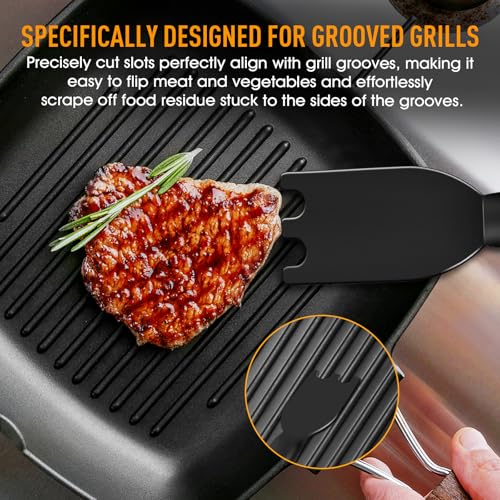

Metal scrapers and abrasive pads strip away the nonstick coating on grill plates, leaving exposed aluminum that sticks and rusts over time. Our nylon scraper applies firm pressure without microscopic scratching, so your plates stay slick through hundreds of cooking sessions.
Dual-Edge Design for Cooking & Cleaning
One edge scrapes, the other flips. We shaped the spatula side with a 15-degree bevel so it slides under burgers and chicken breasts without tearing. The scraper side sits at 60 degrees for maximum contact with flat or ridged surfaces.
This dual function eliminates the need to juggle two tools while you’re cooking. Flip your steak with the spatula edge, then immediately scrape residual marinade before it carbonizes. The handle cutout provides a secure grip even when your hands are wet or greasy, and the tool balances evenly so it won’t tip out of a utensil crock.
Heat Resistance & Dishwasher Safety
The handle withstands direct contact up to 400°F, so you can scrape plates while they’re still warm without melting or warping. We use glass-reinforced nylon in the blade section for added stiffness at high temperatures.
After each use, toss the scraper on your dishwasher’s top rack. The material won’t degrade under repeated hot-water cycles, and it dries quickly without retaining odors. For hand washing, warm soapy water and a quick rinse are all you need. The smooth surface sheds grease on contact, and food particles don’t cling to the nylon finish.
Tool specs & materials
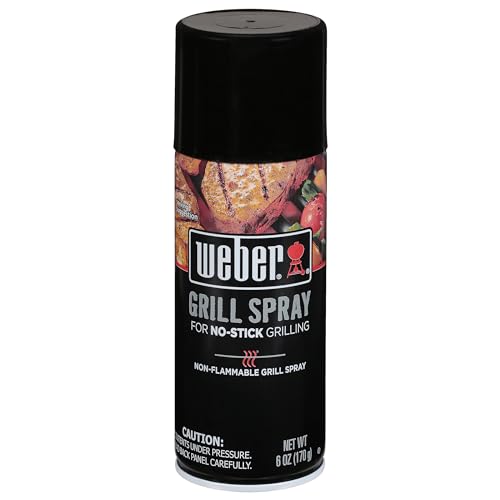
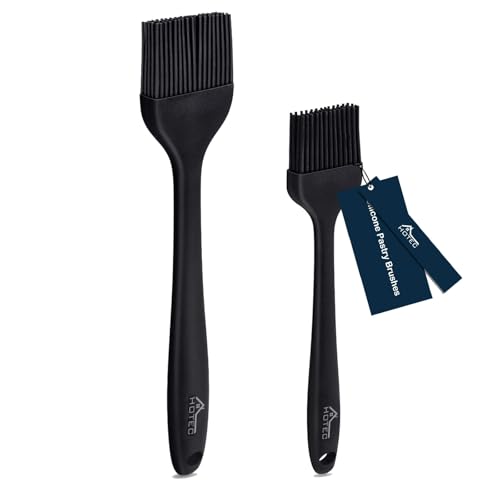
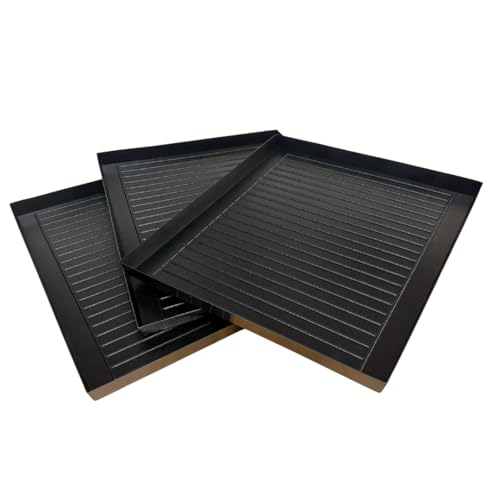
Complete Your Grill Accessory Kit



Customer reviews


Scraper & Spatula Questions
Yes, the nylon blade is safe for any nonstick surface including pans, griddles, and waffle makers. The heat resistance and soft edge make it versatile across your entire kitchen. Just avoid using it on cast iron or stainless steel, where a metal scraper would be more effective.
It works best on warm or room-temperature plates. If food has fully hardened, we recommend heating the grill for 2–3 minutes to soften residue before scraping. For stubborn buildup, apply a damp cloth to the area for 30 seconds, then scrape. The tool is designed to lift softened debris without excessive force.
Replace the scraper when the edge develops deep cracks, chunks break off, or the blade becomes visibly bent. Surface scratches are normal and don’t affect performance. Most users replace the tool every 1–2 years depending on frequency of use.
No, the spatula edge is beveled for sliding under food, not cutting. It’s designed to lift burgers, chicken, and vegetables without tearing. If you need to cut food on the grill, use a separate knife and cutting board.
We don’t recommend it. While the tool withstands 400°F during brief contact, prolonged exposure to direct heat can warp the handle. Store the scraper nearby and use it only when actively cleaning or flipping food.
Yes, nylon is safe for ceramic coatings. The soft blade won’t chip or scratch the ceramic finish, and the flexibility allows it to conform to plate contours. Avoid using abrasive pads or metal tools on ceramic plates, as they can damage the coating permanently.
Run the scraper under hot water immediately after use to melt any cheese residue, then wipe with a soapy sponge. For dried-on cheese, soak the tool in warm soapy water for 5 minutes before scrubbing. The nylon surface releases food easily and won’t retain odors.